

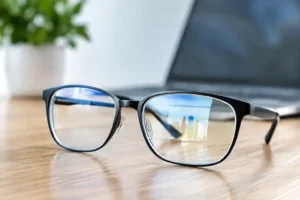

A smudge in the middle of a Zoom call, rain spots on the school run or a fingerprint across your reading glasses can make even a new prescription feel less effective. Knowing how to clean glasses properly keeps your view clear, helps protect lens coatings and preserves the finish of your frames.
It is tempting to give lenses a quick wipe on a jumper, a tissue or the nearest corner of a tea towel. Unfortunately, those everyday shortcuts can move tiny particles of grit across the lens surface. Over time, this may cause fine scratches, reduce the clarity of anti-reflective coatings and leave glasses looking tired before their time.
The good news is that proper cleaning takes less than a minute. A few simple habits will make a real difference, whether you wear glasses all day, switch between spectacles and contact lenses, or rely on reading glasses only when needed.
How to clean glasses properly, step by step
Before touching your lenses, wash and dry your hands. Use a lotion-free soap if possible, as moisturiser, hand cream and cooking oils can transfer easily to the lenses. A clean pair of hands is the first defence against greasy marks.
Next, hold your glasses under a gentle stream of lukewarm water. This matters more than many people realise. Rinsing first removes loose dust, pollen and grit that could otherwise be rubbed into the lens coating. Avoid hot water, which can be unkind to some lens coatings and frame materials.
Apply a very small amount of mild washing-up liquid to each lens. Choose a plain formula without added moisturiser, balsam or strong citrus oils, as these can leave a film behind. Using your fingertips, gently clean both sides of each lens. Take a moment to clean the frame too, including the bridge, temples and the area around the nose pads, where make-up, skin oils and dust often collect.
Rinse thoroughly until there is no soap left. Residue can create streaks and make lenses appear cloudy, particularly in sunlight or when driving at night.
Finally, dry the glasses with a clean microfibre cloth. Pat away excess water first if necessary, then polish gently. Check the cloth regularly: if it feels gritty or has been sitting loose in a handbag, pocket or car, it may need washing before it goes near your lenses.
For most people, this is the best daily routine. It is effective, inexpensive and suitable for prescription lenses, varifocals and most coated lenses.
Why a dry wipe can cause scratches
Microfibre cloths are useful, but they work best on lenses that are already free from dust and debris. Dry-polishing a dusty lens is a little like wiping sand from a polished surface. You may not see a scratch straight away, yet repeated friction can gradually dull the finish.
This is particularly relevant if your glasses have anti-reflection, blue-light filtering, photochromic or scratch-resistant coatings. These treatments improve comfort and performance, but they are not indestructible. Scratch-resistant does not mean scratch-proof.
If you are away from a sink, a clean optical lens spray and a fresh microfibre cloth are a sensible alternative. Spray the cloth or lenses lightly, then wipe with gentle pressure. Keep a cloth in a protective case rather than loose at the bottom of a bag, where it can pick up crumbs and dust.
Products and habits to avoid
Some common cleaning methods seem harmless but can damage lenses or leave a frustrating haze. Household glass cleaner is designed for windows and mirrors, not ophthalmic lenses. It may contain ammonia or other ingredients that are too harsh for lens coatings.
Kitchen roll, tissues, toilet paper and napkins are also best avoided. Although they feel soft, their fibres can be surprisingly abrasive, especially when used repeatedly on dry lenses. The same applies to using clothing, even a soft cotton T-shirt.
Avoid using saliva to clean glasses. Apart from being unhygienic, it does not remove grease or grit effectively. Do not use disinfectant wipes, acetone, bleach, vinegar, nail varnish remover or alcohol-based products unless they have been specifically supplied or recommended for your particular lenses. Some specialist lens treatments require more careful cleaning than others.
If you use hairspray, dry shampoo, perfume or make-up, put your glasses on after applying them where possible. Fine sprays can settle on lenses and create a film that is difficult to polish away. In the same way, take glasses off before using strong cleaning products around the house.
Cleaning the parts people often miss
Clear lenses are only part of the picture. The areas touching your skin need attention too, especially during warmer weather, exercise or hay fever season.
Nose pads can collect oils, foundation and moisture. Use lukewarm water, a little mild washing-up liquid and your fingertips to clean around them carefully. Do not pull or twist the pads. If they have become discoloured, loose or uncomfortable, they can often be replaced or adjusted professionally.
The hinges and temples deserve a gentle clean as well. Residue around hinges can make frames feel less pleasant to wear, while a build-up behind the ears can be irritating for sensitive skin. Be careful not to force water into a frame if it has delicate decoration, a leather finish or another specialist material. For these frames, ask your optician for the most suitable care advice.
Children’s glasses may need cleaning more often than adult pairs. Sticky fingers, playground dust and lunchtime marks are part of family life. Teaching children to hold their glasses with two hands and ask for help cleaning them is kinder to both the lenses and the frame.
How often should you clean your glasses?
A quick clean once a day works well for most wearers. You may need to clean more often if you work at a screen, cook frequently, wear make-up, have oily skin, experience watery eyes or spend time outdoors. Pollen, sea spray, rain and dust can all leave deposits that affect clarity.
There is no benefit in aggressive polishing several times a day. If lenses are constantly smudging, the cause may be the fit of the frame, eyelashes touching the lenses, skin products or simply a cloth that needs washing. Clean the cloth regularly by hand or in the washing machine using a gentle detergent, without fabric conditioner. Let it air dry. Fabric conditioner can coat the fibres and make it less effective.
A proper hard case is equally worthwhile. Placing glasses lens-down on a table, dashboard or bedside cabinet is one of the quickest ways to pick up marks and scratches. When you are not wearing them, store them in their case.
When cloudy lenses need more than cleaning
Sometimes glasses still look hazy after a careful clean. A greasy film may have built up from skin products, or residue may be trapped around the edge of the lens. In other cases, the issue is not dirt at all. Fine scratches, coating damage or changes in the prescription can all make vision seem less crisp.
If glare from headlights has become more noticeable, print looks less distinct, or you are cleaning your lenses repeatedly without improving the view, it is worth having your glasses checked. A frame that has slipped out of shape can also alter how your lenses sit in front of your eyes. Even a small adjustment can improve comfort and visual performance.
At Mark Darling Eyecare & Opticians, we are always happy to advise on looking after your glasses and to check whether a clean, adjustment or replacement part is the right answer. The best care routine is the one that suits your lenses, your frame and the way you use them.
A clear view should not depend on a frantic polish with whatever is to hand. Keep a clean microfibre cloth, rinse first when you can, and treat your glasses as the precisely made visual tools they are. Your eyes, and your lenses, will thank you for it.