

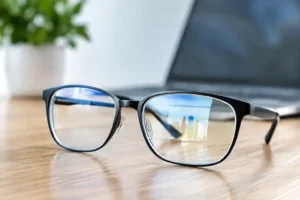

That afternoon headache that creeps in behind your eyes after a day at the computer is easy to dismiss. So is the one that arrives when you are reading small print, driving at night, or helping the children with homework. If you have ever wondered, can glasses stop headaches, the honest answer is yes – sometimes. But it depends on what is causing the headache in the first place.
Headaches are common, and not all of them begin with your eyes. Even so, vision problems and eye strain are a very real trigger for many people. The key is working out whether your eyes are contributing to the problem, or whether something else needs attention.
Can glasses stop headaches caused by your eyes?
In the right situation, they can make a significant difference. If your eyes are working too hard to keep things in focus, that extra effort can lead to discomfort around the eyes, forehead, temples, or across the brow. For some people it feels like pressure. For others it is a dull ache that builds through the day.
Glasses help when the headache is linked to an uncorrected or outdated prescription. Short sight, long sight and astigmatism can all force the eyes to strain, especially during reading, screen use or driving. Even a small prescription change can matter more than people expect.
They may also help if your eyes do not work together as comfortably as they should. In some cases, specialist lenses or a carefully adjusted prescription can reduce the effort involved in focusing. That is one reason a proper eye examination matters so much. It is not just about reading the letters on the chart. It is about understanding how your vision is functioning day to day.
What sort of headaches can glasses help with?
Eye-related headaches often follow a pattern. They tend to come on during or after visually demanding tasks. You may notice them after staring at a screen for hours, reading for long stretches, or switching focus between distance and near work. Some people also find they squint more than they realise, which adds muscle tension around the face and forehead.
There are a few clues that point towards vision being involved. Your eyes may feel tired, dry, sore or watery. Words on a page might seem to move slightly or lose sharpness. You might rub your eyes often, struggle more in the evening, or find that bright light becomes irritating when the headache starts.
Children can show it differently. Rather than saying they have eye strain, they may avoid reading, lose concentration, sit very close to screens, or complain of a sore head after school. In adults, it is common to assume stress is the whole story, when an unnoticed prescription change is quietly adding to the problem.
When glasses are less likely to be the answer
This is the part that matters just as much. Not every headache is caused by your vision, and glasses will not fix headaches that come from another source.
Migraine, tension headaches, dehydration, poor sleep, sinus problems, medication side effects and high blood pressure can all cause head pain. Hormonal changes can play a part too. If the headache is severe, sudden, recurring, or comes with symptoms such as nausea, flashing lights, weakness, dizziness, speech changes or loss of vision, you should seek medical advice promptly.
People sometimes buy over-the-counter reading glasses hoping they will solve the issue. Those can be useful for some simple tasks, but they are not tailored to your eyes and they do not assess eye health. If your headaches have become a pattern, guessing is rarely the best route.
Why an outdated prescription can trigger headaches
Eyes are remarkably good at compensating. In fact, they can compensate so well that people often do not realise how much effort they are using just to see clearly.
If your prescription is no longer quite right, your eyes and focusing system may keep trying to sharpen things in the background. That constant effort can leave you with tired eyes and a headache by the end of the day. This is particularly common if your work involves screens, detailed close-up tasks, or frequent switching between near and far vision.
From your forties onwards, many people also notice changes in close vision. Reading menus in dim light gets harder. Mobile phone screens get pushed further away. That strain can easily lead to discomfort if you are not wearing the right help for near work.
Varifocals, occupational lenses and reading glasses can all be helpful, but only when chosen around how you actually use your eyes. Someone working at a laptop all day has different needs from someone mainly reading in bed or driving between appointments. We take the time to see you, as an individual, because the details do matter.
Can blue light glasses stop headaches?
This is a question we hear a lot. Blue light glasses are often marketed as the answer to screen-related discomfort, but the reality is more measured.
For most people, headaches linked to screens are not caused by blue light alone. More often, the issue is a mix of prolonged close work, reduced blinking, dry eyes, glare, posture and an uncorrected prescription. A screen coating or comfort lens may help some people feel more comfortable, especially with glare, but it is rarely a magic fix on its own.
If you are getting headaches at the computer, it is worth looking at the whole picture. Are you due an eye test? Are your eyes dry by the afternoon? Is your screen too bright? Are you working through for hours without a break? The right pair of glasses can help, but only if they address the actual cause.
Headaches, dry eye and digital strain
Not every eye-related headache comes from focusing problems. Dry eye can also make long days feel harder than they should. When the tear film is unstable, your eyes may sting, burn, blur off and on, or feel gritty. That constant irritation can contribute to a heavy, tired feeling around the eyes and forehead.
Screen use tends to make this worse because we blink less when concentrating. Contact lens wearers sometimes notice it too, especially in air-conditioned offices or during allergy season.
In those cases, glasses may still play a role. An updated prescription can reduce strain, while the eye examination helps uncover whether dryness is part of the picture. Treating dry eye properly often makes a noticeable difference to day-to-day comfort.
How an eye test helps get to the bottom of it
If headaches are becoming frequent, an eye test is a sensible place to start. A thorough examination checks whether your prescription has changed, how well your eyes are working together, and whether there are any eye health concerns that need attention.
Just as importantly, it gives you clearer direction. Sometimes the answer is straightforward – a new prescription, reading help, or lenses better suited to screen work. Sometimes the test shows your vision is not the issue, which is useful in itself because it points you back towards your GP or another route for support.
At an independent practice such as Mark Darling Eyecare & Opticians, that conversation tends to be more personal. Rather than rushing through a standard appointment, there is room to talk about when the headaches happen, what your working day looks like, whether your eyes feel dry, and what kind of glasses would genuinely fit your life.
Signs it is time to book an appointment
If your headaches tend to appear after reading, screen use, driving or other visual tasks, it is worth having your eyes checked. The same goes if your current glasses no longer feel comfortable, you are squinting more often, your vision seems less crisp, or your eyes feel tired at the end of the day.
Parents should also pay attention if a child starts avoiding books, complaining of a sore head, losing their place while reading or seeming unusually fatigued after school. Children do not always realise their vision is part of the problem.
And if your headaches have changed suddenly, become more severe, or come with other worrying symptoms, do not wait on glasses alone. Get medical advice.
The reassuring news is that when headaches are linked to eye strain, the right glasses can make everyday life feel much easier. Less effort. Less tension. Better comfort across the day. And if glasses are not the answer, a proper eye examination is still a valuable step towards finding the one that is.