

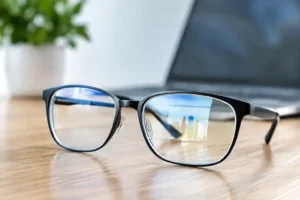

The first pair of glasses often starts with a small moment – squinting at the board, holding books unusually close, or simply saying headaches are becoming a regular thing. A good guide to children’s glasses should make that moment feel less daunting for parents and far more manageable for the child.
For many families, the biggest surprise is how much difference the right glasses can make, not just to eyesight but to confidence, concentration and comfort at school. Children do not always realise their vision is blurred because they assume everyone sees the same way. That is why clear advice, a thorough eye examination and properly fitted glasses matter so much.
Why children’s glasses are about more than seeing clearly
When a child needs glasses, the goal is not only sharper vision. Good vision supports reading, classroom attention, hand-eye coordination and, in some cases, visual development itself. If a prescription is left uncorrected, it can affect how comfortably a child gets through the school day and how easily they take part in sport, hobbies and everyday activities.
It is also worth remembering that children are not simply small adults when it comes to eyewear. Their faces are still developing, they are more active, and they tend to be far less careful with frames. Glasses for children need to cope with real life – playgrounds, PE lessons, being taken off in a hurry, and being tucked into school bags without much thought.
A guide to children’s glasses starts with the eye test
The best place to begin is not with frame style but with the eye examination itself. A proper children’s eye test looks at more than whether letters on a chart appear blurry. It can assess how the eyes work together, whether the prescription is likely to affect learning or comfort, and whether there are any signs that need closer monitoring.
Parents often ask how they will know their child needs an appointment. Sometimes teachers notice problems first. Sometimes it is frequent rubbing of the eyes, sitting very close to screens, losing their place when reading, or seeming tired after near work. Then again, some children show no obvious signs at all, which is why routine eye examinations are so valuable.
If glasses are prescribed, that is the point at which practical choices begin. A good optician will explain what the prescription means in plain English and help you understand whether your child needs to wear the glasses all the time or only for certain tasks.
Choosing frames that children will actually wear
Parents naturally look at durability first, while children usually notice colour, shape and how the frames make them feel. Both matter. If a pair looks sensible but your child hates wearing it, it will spend more time in a case than on their face.
Fit comes before fashion, although the two can sit together very nicely. Frames should sit comfortably on the nose without slipping, and the sides should hold securely behind the ears without pinching. A bridge that is too wide often causes constant sliding, while sides that are too tight can lead to sore spots and endless fiddling.
Children with very young or flatter nose bridges may need frame styles designed to sit more securely. Active children may benefit from flexible materials and sprung hinges, but sturdiness should not mean heavy. If glasses feel awkward, children notice every second they are wearing them.
It helps to involve your child in the choice, but within sensible limits. Offering two or three suitable options often works better than standing in front of an entire display and hoping for a quick decision. They get a sense of ownership, and you can still be confident the fit and function are right.
Lens choices in this guide to children’s glasses
Lenses are where comfort and practicality often make the biggest difference. For most children, lighter, impact-resistant lenses are the sensible choice. They are generally safer and more comfortable for everyday wear than heavier alternatives.
An anti-reflection coating can also be helpful, especially for schoolwork and screens. It can reduce glare and make the lenses look clearer, which some older children appreciate for cosmetic reasons as well. The exact benefit does depend on the child’s prescription and routine, so this is one of those areas where tailored advice matters.
Scratch resistance is another common concern. No lens is completely scratch-proof, and children can be hard on glasses, but coatings can improve durability. If your child is particularly active, ask about the options that best suit sport, outdoor play and day-to-day handling.
Sun protection should not be overlooked either. If your child needs prescription glasses, prescription sunglasses can be worth considering, particularly for bright days, holidays and regular outdoor activities. For some children, a photochromic lens that darkens outdoors may be convenient, although it is not always the perfect answer for every situation.
What if your child is worried about wearing glasses?
This is often the part parents worry about most. Some children are delighted by their new glasses straight away. Others feel self-conscious, especially if they are the first in their friendship group to need them.
A calm, matter-of-fact approach usually helps more than making it into a major event. Children take many emotional cues from the adults around them. If glasses are presented as a positive tool rather than a problem, they are more likely to accept them. It can help to point out role models they know who wear glasses, whether that is a teacher, sibling or favourite character.
Comfort is part of confidence too. A child who keeps pushing frames back up their nose or complains that they hurt is far less likely to persevere. Small adjustments can make a surprising difference, so it is always worth going back for fitting checks if something does not seem quite right.
School, sport and the realities of daily wear
The most successful pair of children’s glasses is one that works in ordinary life. That means thinking beyond the dispensing table. Will they stay put in the classroom? Will they cope with breaktime? Are they suitable for after-school clubs?
For sport, the answer depends on the activity. For some children, everyday glasses may be fine for low-impact use. For others, especially in more physical sports, prescription sports eyewear or goggles are the safer option. It is always best not to assume one pair will suit everything.
You may also want to think about a spare pair. This is not always possible for every family, but it can be very useful. Children do lose glasses, sit on them, or leave them behind. Having a backup can save a lot of stress, particularly during term time.
How often should children’s glasses be checked?
Children grow quickly, and their prescriptions can change as they develop. Frames that fitted beautifully six months ago may start slipping or pinching. Lenses may no longer be giving the clearest or most comfortable vision. Regular reviews are part of good care, not an optional extra.
If your child starts tilting their head, squinting again, complaining of headaches, or avoiding close work, it is worth having things checked rather than waiting. Sometimes the issue is a prescription change. Sometimes it is simply that the frames need adjusting.
A relationship with a local independent practice can make this much easier. When the team knows your child, understands their prescription history and takes the time to see them as an individual, small concerns are less likely to be brushed aside. That continuity can be very reassuring for parents.
Common mistakes parents can avoid
One common mistake is choosing frames with only appearance in mind. Another is buying a pair with room to grow that is simply too big now. Children’s glasses need to fit properly at the time they are worn. A pair that slides down, sits unevenly or places the lenses in the wrong position is not doing its job well.
It is also easy to underestimate how long adaptation can take. Some children put glasses on and instantly feel the benefit. Others need a little time, especially with stronger prescriptions. If something still feels wrong after an adjustment period, though, do not ignore it. Discomfort should be checked, not endured.
Finally, try not to make cleaning and care sound overly complicated. Children cope best with simple habits. A proper case, a suitable lens cloth and a clear routine are usually enough to start with.
Finding the right support as a parent
A good guide to children’s glasses should leave you feeling informed, not overwhelmed. The right pair is a balance of prescription needs, comfort, fit, durability and your child’s personality. There is rarely one perfect answer for every child, which is why personal advice matters more than generic recommendations.
At Mark Darling Eyecare & Opticians, we see time and again that children do best when they feel listened to and parents feel supported. A little patience at the start usually pays off in better wear, happier school days and far fewer battles over whether the glasses go on.
If your child has been prescribed glasses, the aim is not to find the fanciest frame or the most complicated lens package. It is to choose something that helps them see well, feel comfortable and get on with being a child – which is exactly what good eyecare should make easier.