

A routine eye test can sometimes reveal more than a change in your prescription. So, can opticians detect diabetes? They cannot diagnose diabetes from an eye examination alone, but they may spot changes at the back of the eye that suggest diabetes could be affecting your health. In some cases, this is the first sign that prompts someone to speak to their GP.
That is one reason regular eye examinations matter, even when your vision seems perfectly fine. At an independent practice, we take time to look at your eyes as part of you, not simply as a prescription to update.
Can opticians detect diabetes from the eyes?
An optician or optometrist can see signs that are associated with diabetes, particularly by examining the retina. The retina is the light-sensitive layer at the back of the eye. It contains many tiny blood vessels, and these can be affected by raised blood glucose levels over time.
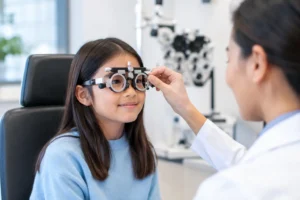
During a sight test, the optometrist checks the health of the eye as well as measuring how clearly you can see. They may use specialised equipment, including retinal imaging or optical coherence tomography (OCT), where appropriate, to gain a detailed view of the retina and optic nerve.
If they see anything unusual, they will explain what they have found and may recommend an urgent or routine appointment with your GP. They can also refer you directly to an eye specialist if the findings need ophthalmology assessment. This does not necessarily mean you have diabetes. Several eye conditions can cause similar changes, which is why a blood test and medical assessment are needed for a diagnosis.
What diabetes-related changes can show up in an eye test?
The most recognised eye complication is diabetic retinopathy. This happens when high blood glucose damages the tiny blood vessels in the retina. In its early stages, diabetic retinopathy often causes no noticeable symptoms at all. That makes professional checks particularly valuable.
An optometrist may see tiny areas of bleeding, leaking blood vessels, swelling, or deposits of fatty material on the retina. These signs need careful assessment. Early changes can often be monitored and managed, while more advanced changes may require treatment to help protect sight.
Diabetes can also affect the eyes in other ways. Blood glucose levels that are changing quickly can temporarily alter the shape of the lens inside the eye, causing blurred vision or a prescription that seems to fluctuate. People with diabetes may also have a higher risk of cataracts and glaucoma. These conditions are common for many reasons, so they are not proof of diabetes, but they form part of the wider picture your eye care professional considers.
A normal eye examination does not rule diabetes out
This is an important distinction. Not everybody with diabetes develops visible retinal changes, especially early on. A healthy-looking retina cannot confirm that you do not have diabetes, just as retinal changes alone cannot confirm that you do.
If you have symptoms that could be linked to diabetes, such as increased thirst, needing to pass urine more often, unexplained tiredness, weight loss, slow-healing cuts, or recurrent infections, contact your GP. An eye test is a valuable health check, but it is not a replacement for medical blood tests.
Why blurred vision should not be ignored
Blurred vision has many possible causes. It may be as straightforward as needing new glasses, or it could relate to dry eye, cataracts, migraine, medication, or an underlying health condition. The key is not to assume.
Vision that comes and goes, especially if it seems to vary from day to day, is worth discussing. If blood glucose is high, fluid can move in and out of the eye’s lens, temporarily changing its focusing power. Some people notice that reading becomes difficult, screens are harder to focus on, or their current glasses no longer feel quite right.
Sudden loss of vision, a sudden shower of floaters, flashing lights, a dark curtain or shadow in your sight, or severe eye pain requires urgent attention. Do not wait for a routine appointment if these symptoms occur. Contact NHS 111, an urgent eye care service, or attend A&E as advised.
If you already have diabetes, what eye care do you need?
If you have been diagnosed with diabetes, you should be invited for NHS diabetic eye screening. This is a separate service from a standard sight test. It involves photographs of your retina and is designed specifically to identify diabetic retinopathy before you notice a problem.
It is still sensible to have regular eye examinations with your optometrist. Diabetic eye screening focuses on retinal changes caused by diabetes, whereas a full eye examination can also assess your vision, eye pressure, the front of the eye, cataract development, dry eye, and other issues that may affect comfort or sight.
The interval for eye examinations depends on your individual needs. Your optometrist can advise based on your eye health, prescription, symptoms and medical history. Bring details of any medicines you take and let the team know if your diabetes treatment or blood glucose control has changed.
Looking after your sight between appointments
Keeping blood glucose, blood pressure and cholesterol within the targets agreed with your healthcare team can reduce the risk of diabetic eye disease progressing. Attending screening appointments matters even when your sight is clear, because early retinal changes are commonly symptom-free.
It also helps to wear the correct prescription, use sunglasses that offer UV protection outdoors, and seek advice if your vision changes rather than putting up with it. Small concerns are often easier to investigate before they become disruptive.
What happens if an optometrist spots a concern?
Being told that something has been seen at the back of your eye can feel worrying. In practice, the next step is usually clear and measured. Your optometrist will discuss the finding in plain language, explain why further checks are recommended, and arrange the most suitable referral route.
Sometimes this means asking your GP to arrange blood tests and review your general health. In other cases, particularly where retinal changes need prompt attention, a referral to the hospital eye service may be appropriate. The urgency depends on what has been found, your symptoms, and your medical history.
At Mark Darling Eyecare & Opticians, our approach is to make sure you understand what we are looking at and why. A referral is not a reason to panic. It is a sensible way to get the right information and care without delay.
Regular eye tests can support your wider health
An eye examination cannot replace the care of your GP or diabetic eye screening programme. What it can do is provide another valuable opportunity to notice changes early. The eyes offer a direct view of blood vessels and delicate nerve tissue that cannot be seen so easily elsewhere in the body.
For families, working adults and older patients alike, that wider health benefit is a good reason not to wait until your glasses are clearly wrong. If it has been a while since your last eye test, or you have noticed changes in your vision, arranging an appointment gives you the chance to have your concerns heard, your sight checked carefully, and the next steps explained with reassurance.